
The Department of Language Training and Humanitarian Disciplines at Shupyk National Healthcare University of Ukraine will launch a series of new initiatives aimed at strengthening Medical English training for healthcare professionals as part of its Continuing Professional Development (CPD) activities.
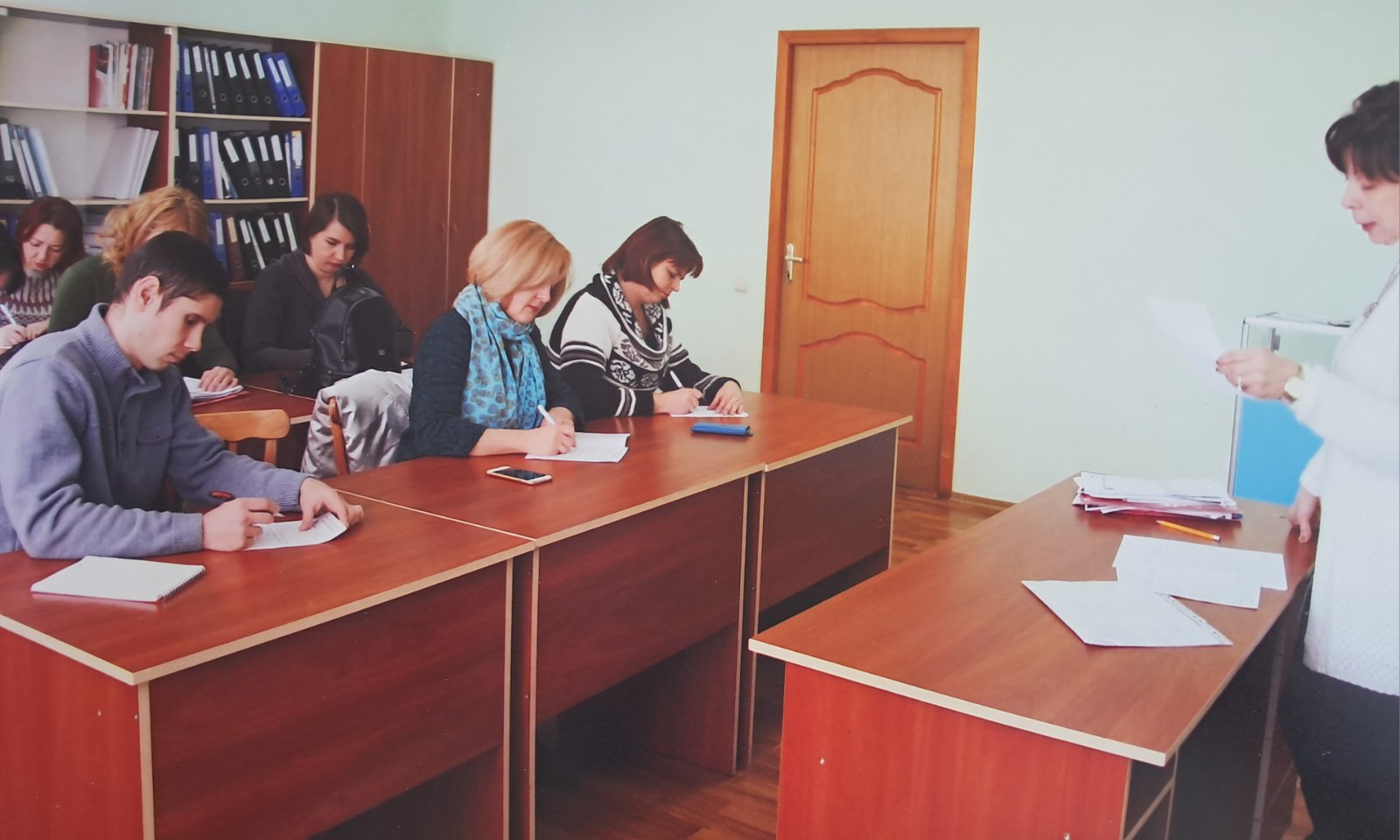
The decision was made during regular staff meetings where faculty members discussed strategic priorities for broadening the Department's training portfolio in response to the growing demand for English-language competencies in clinical practice, scientific research, and international professional collaboration.
As English remains the primary language of global healthcare and biomedical research, these new programmes will equip medical professionals with practical communication skills necessary for international clinical practice, evidence-based medicine, academic publishing, and participation in multinational healthcare projects.
The new portfolio of Medical English courses has been designed to address the specific professional needs of different categories of healthcare specialists. The proposed courses include: *Medical English for Doctors of Different Specialties, focusing on specialty specific terminology, clinical documentation, patient communication, case presentations, and professional interaction; * English for Scientific Communication, covering academic writing, manuscript preparation, conference presentations, peer review, and publication in international journals; * English for Telemedicine, dedicated to communication in virtual consultations, digital healthcare environments, remote patient management, and cross-border healthcare services; *English for International Clinical Collaboration, preparing practitioners for participation in international clinical projects, academic exchanges, and multidisciplinary healthcare teams; *English for Emergency Medicine, emphasizing rapid communication, emergency protocols, trauma care terminology, and teamwork in emergency settings; *English for Pharmacists, covering pharmaceutical terminology, patient counselling, clinical pharmacy, pharmacovigilance, and international pharmaceutical standards; *English for Public Health Specialists, addressing epidemiology, health promotion, disease prevention, global health policy, and communication during public health emergencies; *Medical English Speaking Clubs, providing opportunities to discuss clinical cases, current medical research, healthcare innovations, and ethical challenges in medicine.
The Department also plans to launch *Medical Terminology Workshops, offering intensive training in contemporary medical vocabulary, international nomenclature, Latin and Greek terminology, clinical abbreviations, and professional communication within multidisciplinary healthcare teams. These workshops will support participants preparing for international certification examinations, academic mobility programmes, overseas internships, and collaborative research projects.
A key element of the new strategy is the integration of digital technologies into language instruction. Staff members discussed the use of simulation-based learning, virtual clinical scenarios, interactive online platforms, artificial intelligence tools, and authentic medical resources to create learning experiences that closely reflect modern healthcare practice. Special attention will also be given to supporting researchers and academic staff through specialised courses in scientific communication.
These initiatives reflect the Department's commitment to strengthening the international competitiveness of Ukrainian medical professionals and supporting the University's strategic priorities in educational innovation, internationalisation, and lifelong professional learning.
By expanding its Medical English programmes, the Department continues to create new opportunities for healthcare professionals to develop the language and communication skills required for successful clinical practice, scientific cooperation, and professional engagement within the global healthcare community.
To ensure that the new educational initiatives reflect the professional interests and learning needs of the healthcare community, the Department invites healthcare professionals, researchers, educators, and students to participate in a short survey.
Your feedback will help identify priority areas for future Continuing Professional Development (CPD) programmes and tailor educational offerings to the needs of learners.
To help us tailor future Continuing Professional Development (CPD) programmes to the needs of healthcare professionals, we invite you to indicate the course that best matches your professional interests. Please, send your response to: [email protected]
We appreciate your participation and look forward to developing programmes that support your career and international engagement.